New venue accessibility guide helps music fans better enjoy live performances
Does the venue have a ramp? Is it air conditioned? Will there be certain sensory triggers? These are all issues raised by persons with disabilities when they attend shows.
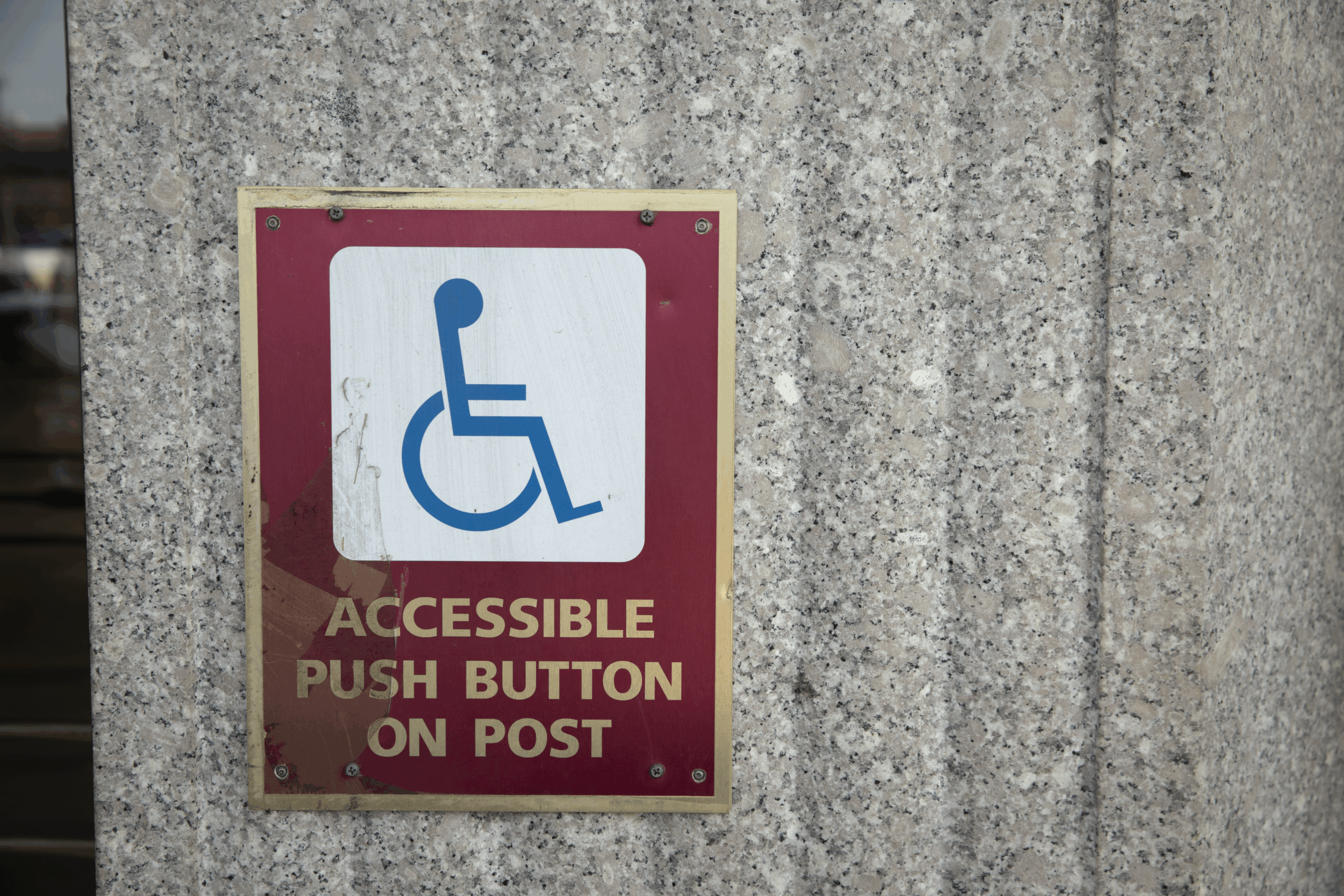
Music is the universal language, and that means people from all walks of life should be able to enjoy concerts. To ensure fans who may require certain accessibility accommodations can best enjoy live performances, the folks behind Philly Music Link are maintaining an information hub for that very reason.
Erin Henrici and Eric Lee of Philly Music Link have launched the Philly Venue Accessibility Guide as part of their ongoing mission to help people of all abilities navigate Philadelphia’s robust and burgeoning music scene.
The guide is a spreadsheet that includes more than a dozen local venues and their available accessibility features. From ramps to elevators, sensory information to all-gender bathrooms, the guide aims to keep concert goers in the loop on logistics as they plan to attend performance venues.
”We had this goal in mind a couple years ago that Eric and I had started discussing, initially starting with some sort of venue guide for Philadelphia,” Henrici said.
As passionate music fans—Henrici a music writer and Lee a photographer—the two sought a way to connect the Philadelphia music community in an effort to get more fans to more shows. They quickly learned in addition to standard questions, many people had questions about venue accessibility.
”When you see a show flyer, it doesn’t really explain [accessibility details] to you,” Lee said. “It doesn’t tell you what the venue’s gonna be like, what the vibe is gonna be like. I thought it was kind of a shame that a lot of that stuff isn’t really listed out there.”
Even some venue websites lack those details. Rather than fans and show goers searching for those answers, Henrici and Lee decided Philly Music Link should work to fill that void.
Large venues such as The Fillmore and Union Transfer, as well as more intimate spaces like Khyber Pass Pub and First Unitarian Church, are listed on the guide.
“ Some places have been very communicative and very thankful that we’re putting information out there and trying to encourage people to go out,” Lee said. “I think other spaces kind of know that they’re not the most accessible. It’s not that we want to highlight that fact, it’s just that we want to arm people with information.”
The music scene in the city is largely inclusive and accommodating, but when performances take place at DIY venues, for example, certain accessibility is simply unfeasible.
“If we all had the willpower to all build a new music venue, we would do it the right way,” Lee said. “But nobody has the capital to do that.”
Accessibility areas are available at certain venues, gaining access can sometimes prove tricky and may require speaking to a show promoter, which can also be difficult.
“We’re trying to put that information up front,” Lee said, adding that having the knowledge is important for people to make decisions about where they patronize.
Henrici also said the guide extends beyond mobility aspects: it features details on temperature, strobing lights, odors, and more.
”The more people we talk to, the more we realize that a lot of people, even if they don’t identify as disabled, have their own little things that make it challenging for them to go to shows,” Lee said.
Air conditioning, for example, might not be an issue for some show attendees, but others might see a hot venue as a non-starter, as some health conditions can flare up in those circumstances.
Collaboration is key to rounding the guide out more, too.
”We’re very cognizant that we are not direct members of the communities needing accessibility 24/7,” Henrici said. “So I think part of the collaborative nature is to bring on people who are equally passionate, and then I think that starts to have a bigger avenue for discussion.”
Members of the Philly music community can help Henrici and Lee better build out the guide by contacting them at phillymusiclink@gmail.com or via Instagram.
“ There’s actually a lot of people in the music scene who are very passionate about this and a lot of people who have really helped out,” Lee said. ”We’re seeking people who either have a passion for it or who are just going to a ton of shows and are willing to take those observations and then put them in a space. I think a lot of people don’t necessarily think about [accessibility].”
The guide largely relies on that “insider knowledge” gleaned by frequent show attendees, according to Henrici.
“We love the community aspect and we don’t know if there’s a great space for people to ask questions and make connections,” she said. “But we’re trying our best to fill in the spaces we can.”
“If we all work on that together, then we’ll have all the spots in Philly covered,” Lee said.