Isaiah Rashad’s new album challenges hip-hop’s possibilities, hypermasculinity, and phobias
In Isaiah Rashad examining his own sexuality, addiction, and family trauma on ‘IT’S BEEN AWFUL,’ the rapper also pushes back on some of hip-hop culture’s insensitivities.
In February 2022, Tennessee-born rapper Isaiah Rashad’s life changed forever. While sitting in Zaxby’s, eating a chicken salad, Rashad began receiving calls and texts from people in his circle warning him to stay offline. At the time, Rashad’s career was in a curious position. He was a year removed from the release of his album, The House Is Burning, a harrowing account of a man fighting through to cope with addiction while the world is on fire. As with his previous album, 2016’s The Sun’s Tirade, The House Is Burning was met with respectable sales and overwhelmingly positive critical and fan reception. In 2022, it seemed like Rashad was destined to sit firmly in the middle ground of mainstream hip-hop hierarchy. He was quietly building one of the best catalogs in rap music, until the sex tape leak threatened to derail a once-promising, uncontroversial career.
That day in Zaxby’s, Rashad didn’t heed his friends’ warnings. He reached for his phone and went online to see what people were saying about him. A video of Rashad having sex with multiple men had leaked to social media, and news of the video was spreading like wildfire. Predictably, the internet’s reaction was not kind. While some fans and musicians offered support, many responded with trolling and insensitive remarks and questions about Rashad’s sexuality. Throughout hip-hop’s 53-year journey from a subculture in the Bronx to a global, multi-billion-dollar industry, it has been haunted by the twin banes of hypermasculinity and homophobia. Beyond the casual homophobic lyrics that littered the genre’s past, one can still find vile homophobic (and transphobic) commentary coming from fans and hip-hop-related podcasters regularly. In a recent interview on The Breakfast Club, radio host Charlamagne tha God asked: “Did that moment break you or free you or both?” Faced with this unimaginable violation of his privacy, Rashad had two choices: he could either let this event crush him or liberate him. Without even taking a breath or a moment of consideration, Rashad replied, “a little bit of both at the same time.”
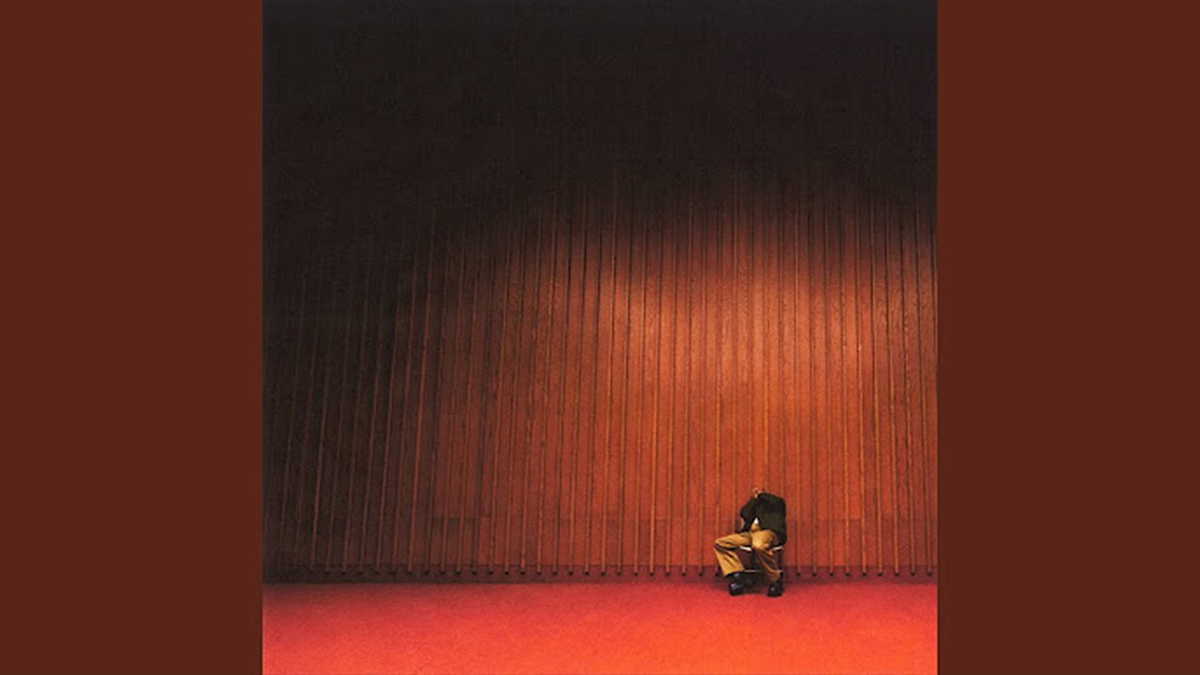
Rashad’s latest album, IT’S BEEN AWFUL, is a harrowing soundtrack to the last four years of his life. In addition to addressing his sexuality in the wake of the sex tape leak, Rashad candidly details his triumphs over drug addiction and the specter of trauma that haunts his family. The album opens with “THE NEW SUBLIME,” a detailed account of Rashad’s internal world of shame and addiction over a heavy, woozy beat by Keem The Cipher and fantompower. It’s a deeply depressing yet appropriate tone-setter for the rest of the album. “THE NEW SUBLIME” contains the entire album’s mission statement, made clear when Rashad emerges from behind a wailing wall of vocal harmonies to croak out the simple, yet devastating admission: “I’ve been the Clarkest Kent at my lowest.”
With this acknowledgement that his personal struggles are baggage that he still carries with him, Rashad ushers us through his personal journey in the form of 17 tracks of fucked up, introspective hip-hop. “M.O.M.” is a poppy, uptempo jam in which Rashad conjures memories of hiding drugs at his mom’s house and fighting suicidal thoughts. “BOY IN RED” ties the realities of love, sex, and desire into a steamy and ecstatically horny whole. With its pop-punkish beat and sing-song chorus, the song captures the joyful, anticipatory energy of a new romantic crush. Fully engulfed by this feeling of new love so powerful it transcends gender, Rashad presents his partner with an offering of pure, unencumbered love when he suggests, “I could be your boyfriend. And if that doesn’t work, then I’ll just be your girlfriend.” It’s a playful and honest self-portrayal for Rashad, who has since come out as sexually fluid in the wake of the sex tape leak.
Unabashedly vulnerable and daringly complex, IT’S BEEN AWFUL is a rap album that couldn’t have existed 10 years ago, let alone at any prior era in hip-hop. Rap music’s history of mishandling and misrepresentation of queerness has been a major impediment to the genre’s creative potential. Isaiah Rashad, the artist, was open and unflinchingly honest before the private life of Isaiah Rashad, the man, was made into a spectacle. Despite this, Rashad has used the leak as a catalyst to deepen and enrich his art, and IT’S BEEN AWFUL has helped expand hip-hop’s possibilities.