‘It’s the music of my soul’: In 2001, Dolly Parton brought bluegrass to World Cafe
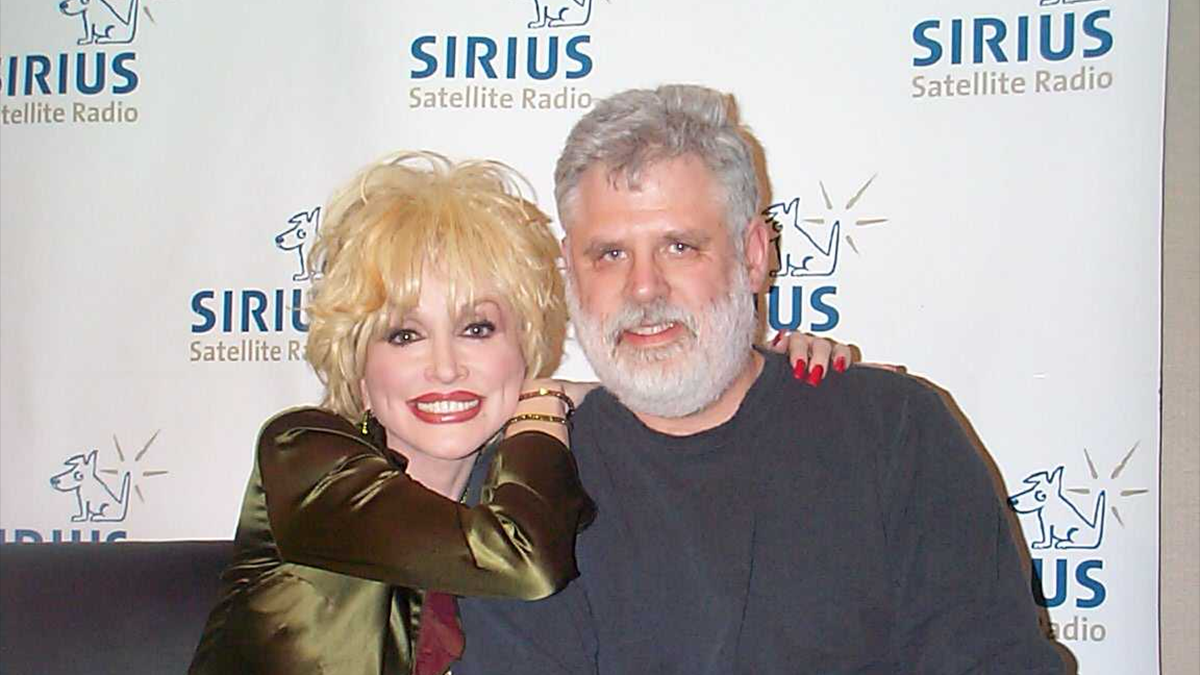
Dolly Parton, one of the most beloved and influential figures in American music and culture, died today at the age of 80.
Born in 1946 in the Great Smoky Mountains of Tennessee, she rose from humble beginnings to become a country music superstar, celebrated songwriter, actress, author and philanthropist.
Her signature songs include “Jolene,” “I Will Always Love You” and “9 to 5.” Beyond music, Parton built a legacy through her generosity, most notably with the Imagination Library, which provided free books to children.
As we remember Parton’s life, we are unearthing a 2001 World Cafe session with the country icon. Parton spoke to former host David Dye about going back to her bluegrass roots on her 38th album, Little Sparrow, her upbringing in Tennessee and the backstory behind some of her most iconic songs.
Plus, you’ll hear Parton perform “Little Sparrow” and “A Tender Lie” live.
Interview Highlights
On bluegrass
“This is the kinda music I think, if I can sing at all, I sing the best, ’cause it’s the music of my soul, of my childhood and of my heart.
“And of course, this is what I came out of the mountains singing. And I thought I could make a living at it, but it’s just good to listen to. You can’t make much money, so I had to get out in the world and kinda make a living so I could afford. I had to get rich so I could afford to sing like I’m poor again.”
On her childhood home in Tennessee
“I go home a lot. I bought the old home place where I grew up, the old Tennessee mountain home, and I bought that many years ago. So I often go up there and just kinda meditate and fast and pray and write and sit up on the hills and just kinda walk around the same fields I grew up in.
“And sometimes I get a lot of inspiration from that. So I did write some of these songs up there. And the rest of them, I just close my eyes and go back there when I’m writing, no matter if I’m in New York or on the plane or whatever. It’s always been easy for me to go home.”
On Porter Wagoner
“Porter had a lot of heart and a lot of soul. He was just real country. He didn’t read music; he’s like me: Don’t know that much about it, technically. But he went strictly from, you know, from the gut and the heart. And a lot of those early records, he worked with Bob Ferguson, who was, at that time, worked with RCA, and he worked with us on a lot of that stuff.
“But Porter had a good feel — you know, he had a good touch, and he understood honest music, and he liked my stuff a lot. So we’d fight back and forth. I’d wanna do it one way, he’d wanna do it another, and if he’d get too far, you know, out away from what I really felt, then, you know, we’d kinda disagree.
“But it all worked out. We had seven years together. We had seven good years with duets as well as my solo career.”
On working with younger artists
“I have a good attitude about it. I don’t begrudge any of the new artists what they do because we all have to make a place for the others. It’s a nice feeling that people look at me and some of the older ones as the ones that kind of inspired them, so that’s a good part.
“But I will always be as old as yesterday and as young as tomorrow, and I will never not be trying to find an outlet for my music, whether it’s gonna play on mainstream radio or we go back and do stuff like this. I’m gonna sing if I have to work at something else and pay for my sessions and sell them out of the back of my car.
“If you’re a real writer and you’re a real singer and you love your music first of all, you will do that no matter what. So I just really always, if there’s not a place for me, I will make one.”
Related Content
View All