Dabble in darker sounds on World Goth Day
World Goth Day is May 22 and we’ve got a quick guide to gateway goth bands for those curious about the subculture.
By Ariana Droz
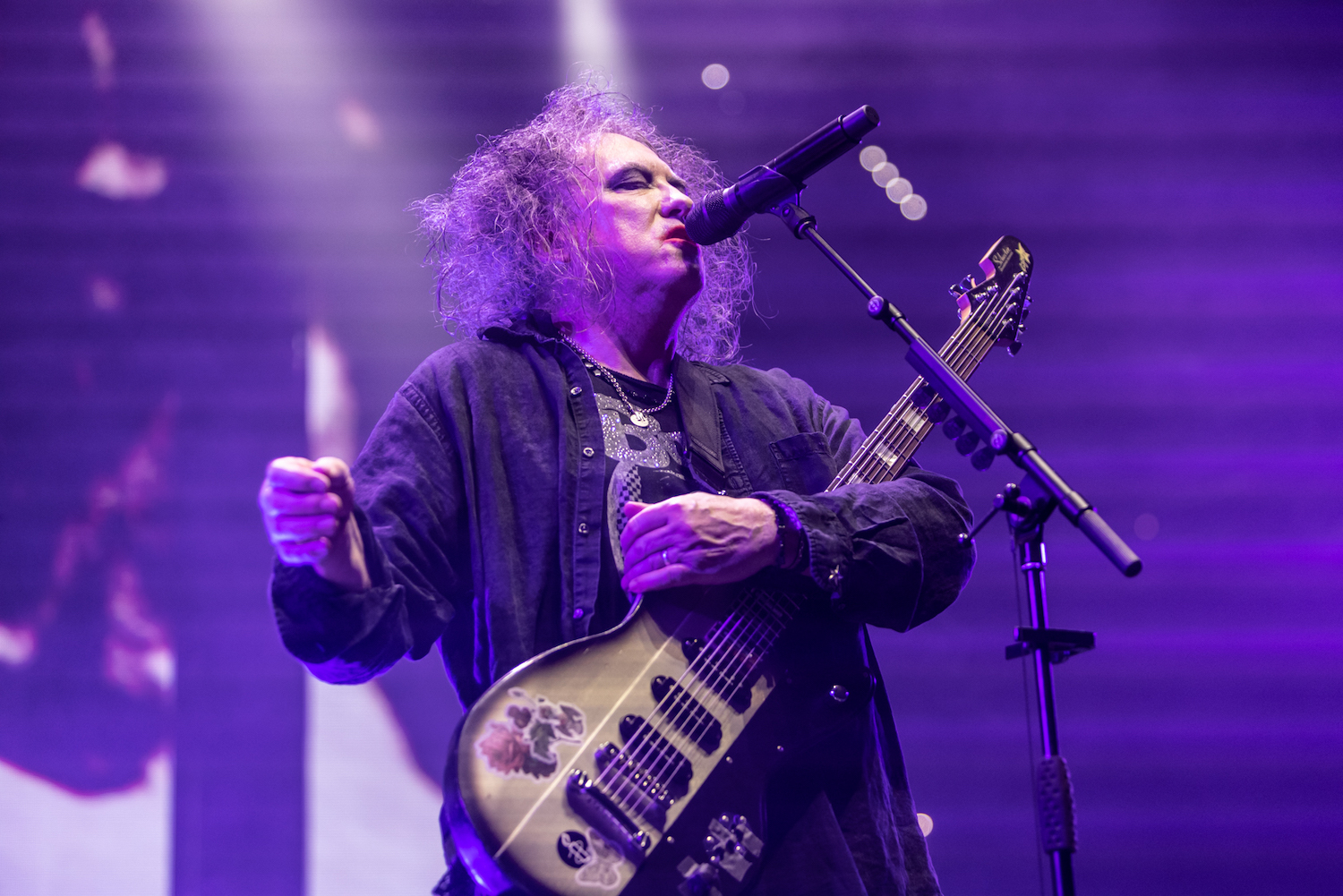
The goth subculture has a rich history and identifiable sub-genres that have captured the affection of a global and intergenerational audience. Friday is World Goth Day, and in its honor, we are providing you a goth 101 lesson.
Originating in the UK as an offshoot of the post-punk scene in the late 1970s, goth emerged as the scene’s darker, melancholic younger sister that fused heavy bass melodies, atmospheric guitars, and pensive lyricism.
Diving into the genre’s pioneering bands can open the doors to a world of dark ambiance and emotional depth, and give a better understanding of the genre as a whole. Bauhaus — widely credited with creating one of the first goth songs — and Siouxsie and the Banshees — who helped establish many of the genre’s signature sounds and aesthetics — were instrumental in shaping the subculture.
Artists looking to carry the torch and contribute new work to the genre are just as vital, too. Latin-darkwave fusion act Dark Chisme and Cemetery Sex, the band bringing back the heavy edge of deathrock, are among newcomers keeping the spirit alive and well.
Three of the top goth albums to explore are Bauhaus’ In The Flat Field (1980), Siouxsie and the Banshees’ Juju (1981), and The Cure’s Pornography (1982).
But goth music has many offshoots, with five main sub-genres serving as the most significant to the subculture: goth rock, deathrock, coldwave, darkwave, and etherealwave.
Goth rock
This sub-genre combines post-punk rhythms with dramatic vocals, chorused guitar tones, and hard rock elements.
Essential listening: The Sisters of Mercy’s Floodland (1987) and Disintegration (1989) by The Cure.
Deathrock
Deathrock emerged primarily from the American punk underground. It is raw, theatrical, and heavily inspired by horror aesthetics.
Essential listening: Mephisto Waltz, Sleep in Safety (1983) by 45 Grave, Cemetery Sex, and Nox Novacula.
Coldwave
This is a style that developed mostly in France and Belgium and focuses on minimalism, detached vocals, and icy synthesizers.
Essential listening: Lebanon Hanover and Twin Tribes‘ 2019 album Ceremony.
Darkwave
Blending gothic rock with electronic and synth-driven influences, darkwave artists often create lush, gloomy soundscapes.
Essential listening: Lycia, This Cold Night, and Medusa (1986) by Clan of Xymox.
Etherealwave
Etherealwave emphasizes layered atmospheric textures, dreamlike vocals, and ambient instrumentation. The genre was mainly upheld by 4AD Records artists and is regarded as having an otherworldly sound.
Essential listening: Dead Can Dance, This Mortal Coil, and Garlands (1982) by Cocteau Twins.
These, of course, are just a few starter bands and albums to consider. Albums and bands that you already know and love may be listed here, thus making you closer to goth than previously thought.
On World Goth Day, we celebrate this history and the sounds that connect people across continents, cultures, and generations.