Former Philly Teacher’s Kindie Rap Success Comes From Leaning Into Nerdiness
Former Philadelphia teacher Raheem Jarbo — through his stage name, Mega Ran — turned his passion for comic books and video games into art that inspires, and earned himself a Grammy nomination in doing so.
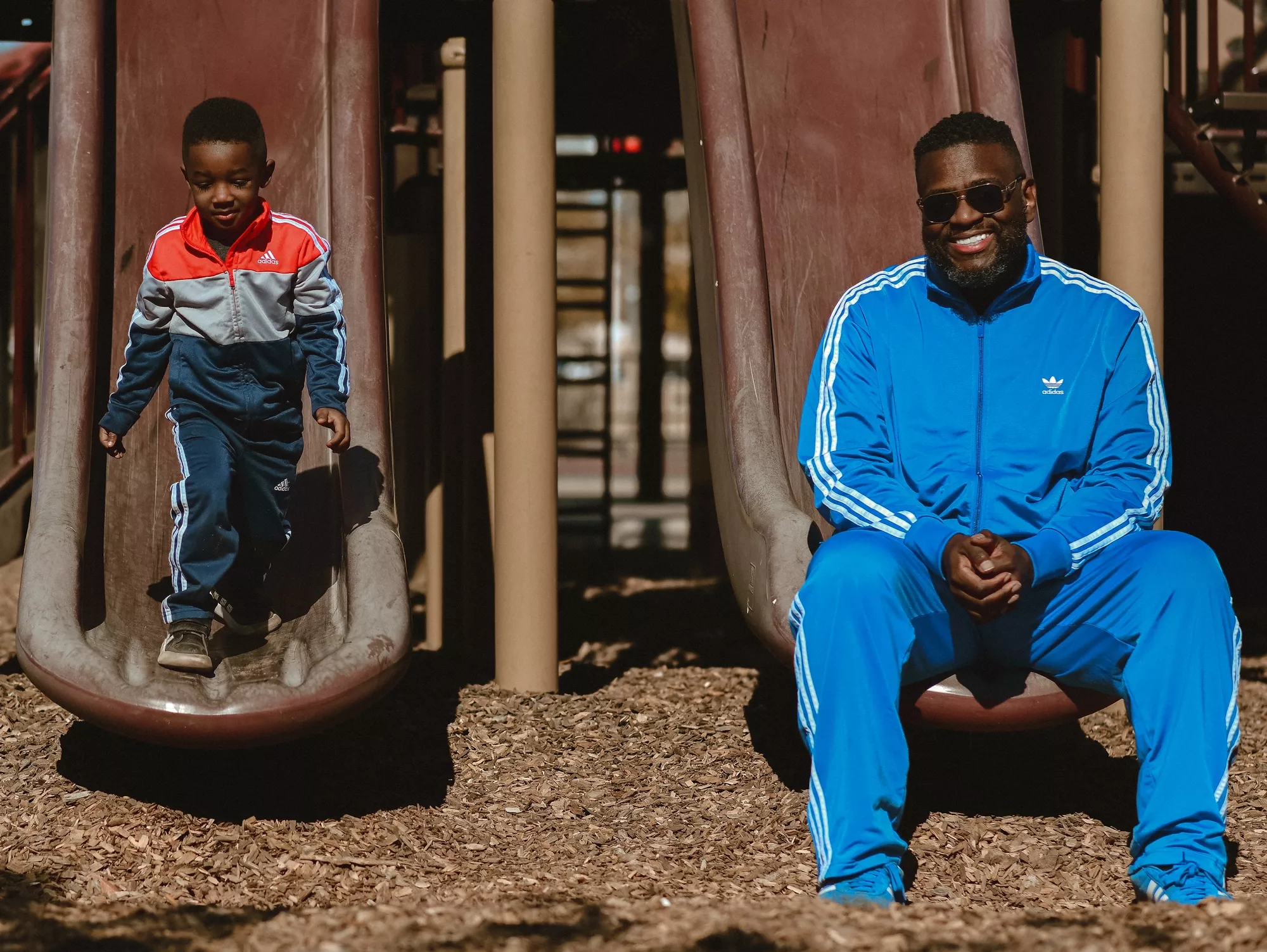
“I was just coming back from vacation. My wife and I were celebrating our tenth wedding anniversary. We decided to have some friends over and watch the Grammy announcements. I wasn’t thinking much of it. I had submitted my last album for it and didn’t hear anything, so I didn’t put all my hope into it. The nominations are live streamed across several streams because there are 70 categories. I was getting frustrated. I kept getting notifications, and I’m trying to swipe them away and find the right stream. When I finally did, I missed the stream; it just ended, so I’m waiting, hoping it will repeat. My homie who was there decided to check Variety, and he was like, ‘Yo dog, I see your name.’ I was a bit taken aback. All the notifications I was getting were people congratulating me. I did go back later and watch the stream, and Jon Batiste was the one who said, ‘Buddy’s Magic Tree House by Mega Ran.’”
Mega Ran, born Raheem Jarbo, grew up in Philadelphia’s West Oak Lane and Germantown neighborhoods. Like most city kids then, hip-hop culture consumed all his time.
“I remember listening to the radio, Power 99 Top 9 at 9 with a finger on pause and record to catch the newest songs.” He stops to think about it: “I just really wanted to be a part of it.” As Ran got older, he and his friends began to write their own rhymes. “Mine was terrible. Everyone else was better than me, but that made me just go and listen more. Like, really reverse engineer it. Figure out what made Nas or Rakim so dope. I was really nerdy about it.”
“As my friends found other pursuits, it was still all music for me. Finding beats was the hardest part. But eventually I got my hands on MTV Music Generator. It was on PlayStation, and it allowed you to do so much stuff, like even sampling. I started sampling video games, trying to find flips and samples that not everyone had. I was getting really good feedback from my beats. I eventually got hired to start engineering studio sessions. On the side, I would try to sell my beats to the artists that would come through.”
Then known as RandomBeats, connecting with artists like Journalist and Freeway was a dope experience, but wasn’t exactly the direction Ran saw his music going.
Engineering for other artists allowed Ran to use spare studio time to work on his own music.
“I really didn’t think people would want to hear the music I was making. I wasn’t talking about getting all the girls or having money, it was more ‘I hate my job.’”
Digital music production, especially in hip-hop, was still new. But the video game sample flipping inspired Ran.
“I was always a huge video game, wrestling, and comic book guy, but at that time, that stuff wasn’t pop culture the way it is now, so I kind of felt alone in that interest. As time went on, I started to write rhymes in a video game structure. I put it up on MySpace, and it started to get some traction. I did a song using a Mega Man sample (where I eventually took my name), and it went kind of viral, or what passed for it at the time, and I got a message from Capcom.”
With Capcom owning Mega Man, Ran feared the worst.
“I thought they may be trying to sue me or at least a cease and desist, but actually they loved it. Capcom was really ahead of their time with their interactions with fans, and they basically considered it fan art. But they had a website called Capcom Unity where they posted it with other artists who had their own fan communities. They asked me to do an interview, so I did, and the song was really popular, so at a point, they said we have a booth for San Diego Comic Con, would you be interested in coming out and signing along with other creators, and I jumped at it. I had recently moved to Phoenix, so it made the trip easier, but even in Philly, I wouldn’t turn the chance down. Next thing you know, there are long lines of people wanting my autograph, and it was because I leaned into what I was passionate about. People connect to that passion.”
Ran continued to make music and tour what he called “nerdy hip hop,” rapping about video games, comic books, and even making entrance music for some of his favorite wrestlers like Xavier Woods, who had him pen his intro song when he made the jump to the WWE.
“I never envisioned the music I was making becoming Grammy-nominated.” Becoming a father later in life changed Ran’s world in many ways. “Right after lockdown, my wife and I adopted a son. My focus became about him, but that also meant I was in the housing listening to ‘Baby Shark’ all day, thinking there has to be better music than this.”
Ran’s background in children’s education and his life as a musician gave him an idea.
“I found what they called kindie music, which is kids’ music by independent artists. I spent so much time with music, wearing my interests on my sleeve; now, maybe I can make music with my son in mind. So I started writing some songs, but making them fresh and catchy about counting, the alphabet, or being a good friend. I was a teacher for 10 years, I understand how to make education enjoyable. So in 2023, I put out Buddy’s Magic Toy Box, and the reception was amazing. People were telling me they listen to it, and they don’t even have kids. I had some friends who’ve won Grammys say I should submit it. But I grew up as an underground hip-hop guy; the Grammys are the enemy. I did submit the first record, but it didn’t get nominated, so I didn’t think much about it. As I started to think of more song ideas because I want the records to grow with my son, I’m thinking of a little more complex stuff, like friendships and making your way through life. People said I should try again, so with my 2025 release of Buddy’s Magic Treehouse, I did submit it again, and this time it was different.”
Some things in life just line up; the Grammy nominations came out on Mega Ran’s tenth wedding anniversary and 20 years after he released his first record, The Call.
“There’s a quote I love from Quincy Jones that goes: ‘When you’re creating, God walks out the room when you start thinking about money.'”
Mega Ran will be in Philadelphia on July 8 at Kung Fu Necktie.