human plushie is shaping sound and space in Philly’s underground dance scene
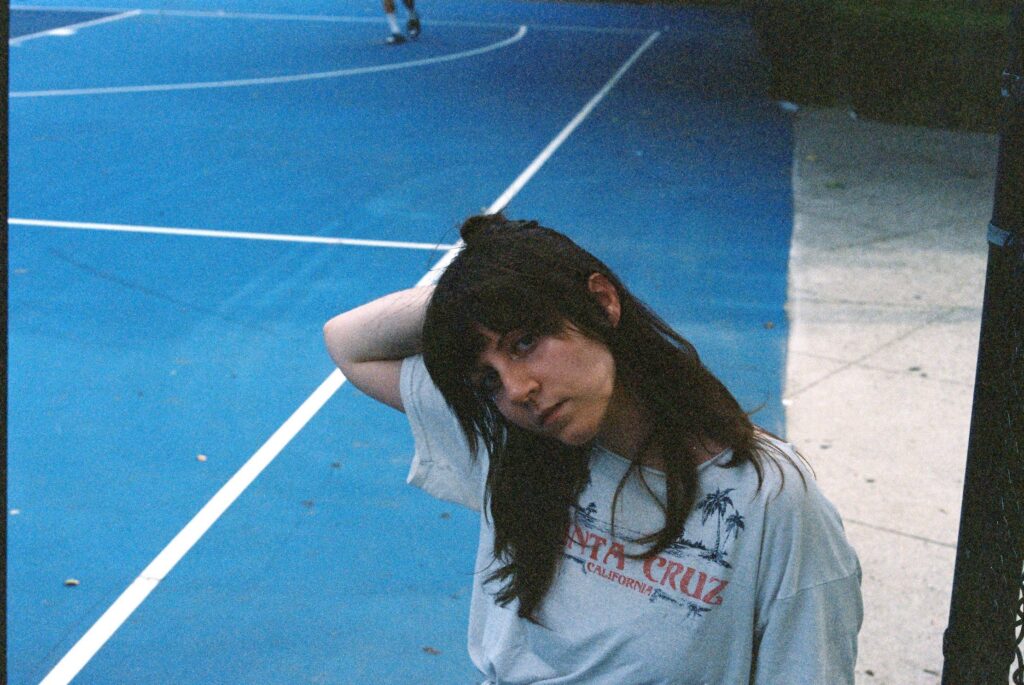
Philly DJ, producer, and party curator human plushie is the creator of the underground party series KINSHIP, which celebrates trans artistry and the trans community. Avery Jade Neustadter, the artist behind human plushie, discussed with WXPN misconceptions of dance culture, juggling her various roles, the scene’s future, and more.
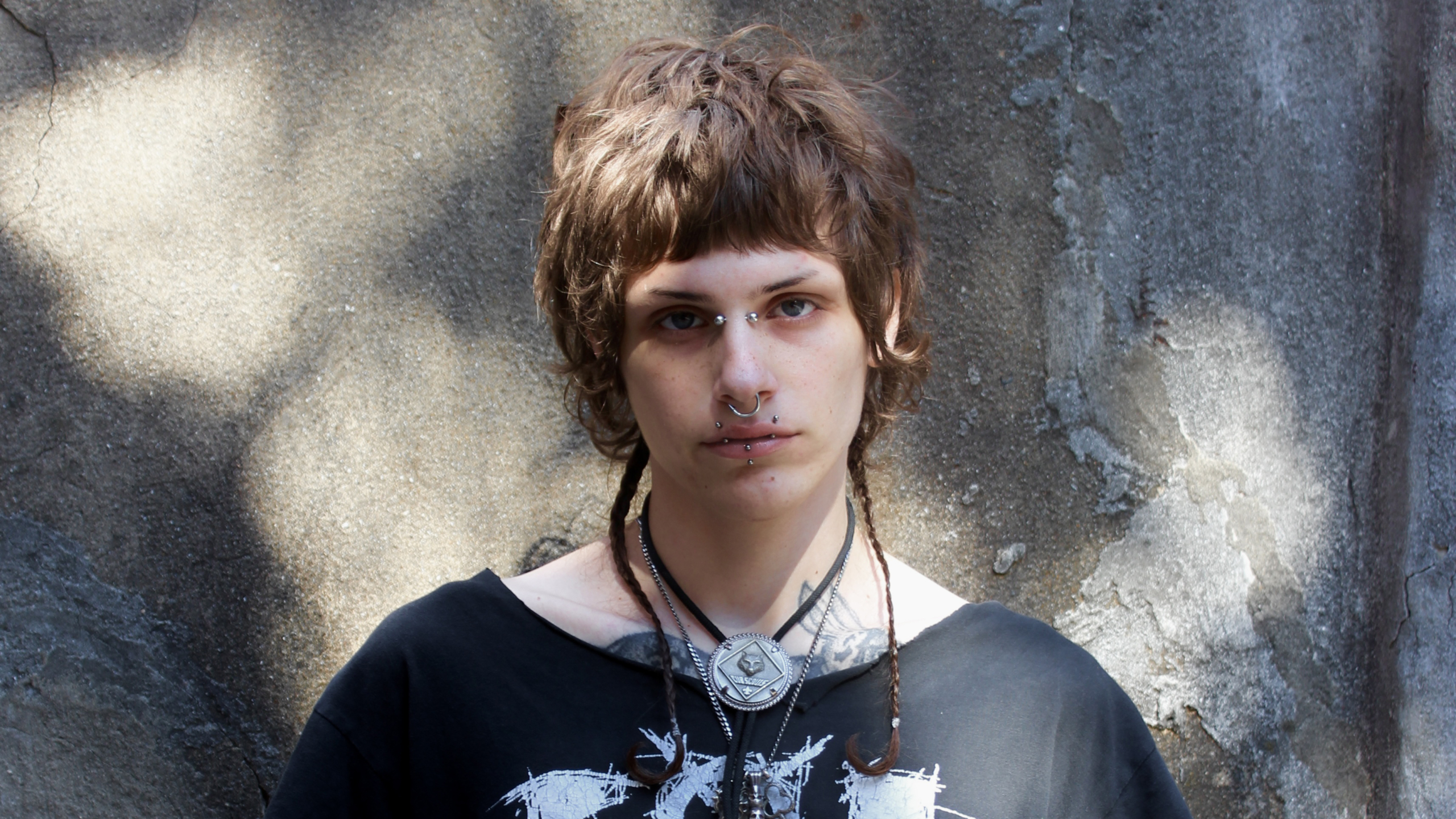
human plushie exists at the center of a rapidly evolving corner of Philadelphia’s underground dance scene. Moving between DJ sets, hardware-driven production, and the building of spaces that reflect the community she’s part of. Since returning to Philly in 2023 after time in Texas, she’s been carving out a practice that’s as much about shaping environments as it is about making music.
As a DJ and producer, her work leans into immediacy and texture, often shaped by a hands-on approach to hardware and a sensitivity to the energy of a room. That same instinct carries into KINSHIP, the trans-fronted party series she founded, celebrating trans artistry and community.
We spoke with Avery Jade Neustadter, the artist behind human plushie, about her path into music, the shifting balance between DJing and production, and how building KINSHIP has changed the way she thinks about sound, space, and care within nightlife.
Our conversation has been edited for length and clarity.
Rita Thompson: Where are you from, and what was your journey into music?
human plushie: I was born in Philly, but I grew up in Honey Brook, Pennsylvania, until the end of middle school. I went to high school in Dallas, Texas, where I really started getting into music and going to shows. I had been to a few shows in Philly when I was younger, but it was more emo stuff – one of the first I remember was Turnover at World Cafe Live. I started doing more music stuff and DJing in around 2022 before I moved back to the East Coast around 2023 and since then, I’ve been focused on music and trying to engage with the city’s scene and everything it has to offer.
I got into production more recently, around 2024. I had dabbled with a bunch of different instruments before, but nothing ever really stuck until I picked up my Digitakt. That’s what finally clicked, and now working with hardware just feels really true to me.
RT: You’re a DJ, producer, and party curator. Which of those roles feels most central to who you are right now, and how do they inform one another?
HP: It definitely changes. One day, I feel like DJing is more central, and the next, I feel like producing is, depending on what I’m working on most at the moment. Right now, DJing feels the most central to me. Maybe it’s because of the shows I have coming up.
When I finish a project, I try to take a little bit of a break from it so I don’t get too burnt out. I think maybe it’s the way my brain works. Still, I tend to home in on one thing for a certain period of time, and then go to the other thing, and go to the other thing. That’s kind of how I am with DJing, producing, and party curating. And when I have a KINSHIP party coming up, that’s all I’ll think about for the month or two months, or however long that I’m planning.
RT: When did dance music first become more than just something you listened to?
HP: I was living in Dallas in 2022, and I think the first real rave I ever went to was called Funktion in Fort Worth. I went to get drunk and have a good time, like a lot of people going to that stuff for the first time.
I didn’t know the kinds of feelings I could have at a place like that, and that definitely changed things for me. I met a bunch of people who were also just starting out DJing in Dallas and nearby in Fort Worth and Denton, who were also trans and queer. I became friends with them, showing up to their stuff, and seeing that it wasn’t just about what a lot of people think.
There’s this idea that electronic music events are just about going out to drink and party, and I was showing up to these things and realizing it’s very much not that. I was having an incredible time, experiencing music in ways I had never experienced it before and meeting all these wonderful people. That was when I realized this is what I actually wanted to do, and I started really diving deep into figuring out what kind of electronic music I liked most, bought my first DJ deck, and just went from there.
RT: How would you describe your music to someone who’s never heard it?
HP: I have a hard time describing it. What I enjoy about making music with hardware is that it’s very immediate, and that shows up in the sound. It’s very immediate music in the sense that I’m not really making a lot of drops or build-ups, although I enjoy a lot of music with stuff like that.
I guess I’m making music for a club tool a lot of the time, but in terms of genre, I’ve been playing around with the term “transsexual dance music” recently. There’s a lot of new sounds coming, especially from trans DJs, and especially on the East Coast, that is techno but also very house-y, and it’s often very soulful and tribal. I feel like it doesn’t have a name yet, and that’s just what I’ve started calling it.
RT: What first inspired you to start KINSHIP?
HP: The main inspiration was that there are so many incredible trans DJs in the city, and we often get overlooked for the bigger shows that happen here.
With other collectives or big clubs in the city, a lot of times they know about us but just don’t think to book us. Maybe because it’s not the safe choice, or maybe we don’t play the right music, whatever it is, we just don’t tend to get booked for that stuff. I wanted to create a place where not only am I being intentional about why I book people (cis people will never get a booking from KINSHIP), but also where trans people can come and see so many people just like them on the dance floor.
RT: KINSHIP feels incredibly intentional in the way it’s built. What does a successful night look like to you beyond people simply having a good time?
HP: Some of the main things for us are: can trans people come here and feel safe to come to the door, even if they don’t have the $25 cover or whatever the cover is? Are they going to be turned away? The answer for our party is always no; they’re not going to be turned away, and we’re very explicit with that. This party is for you, and we want you to be here, and I want them to be able to feel that on the dance floor as well.
Another thing I’ve felt with the past two KINSHIPs I’ve done is that it kind of comes alive in its own way, and it doesn’t feel like I’m in control of it. Maybe it’s just the way I’m doing it, but I’ll see the party as its own beautiful creature of the night, and I think when I see that, I’m like, “yeah, this is what I was envisioning, and now I feel success.”
I [also] think being able to do that without having fear of something going wrong. I’m confident it won’t because of the people I put in place to monitor the event, and the people we do and don’t let into the party. I’m always confident that this creature that has come to life is going to be good, and that nothing bad is going to happen.
RT: What do you think is most important for people to understand about trans artists working in dance music right now?
HP: One of the main issues I run into, and I’m sure a lot of people similar to me run into, is just doing your research on the artist. Don’t book [people] just because you’re trying to have the token trans booking, and then do no research on this person.
Also, don’t use the wrong pronouns for them when you post about people. The number of times I’ve been booked for a party, and they use they/them pronouns for me when I have my pronouns on my page. I see stuff like that frequently, and that’s definitely a big one.
RT: Underground scenes often exist in tension with visibility. How do you balance wanting to grow something meaningful while protecting the intimacy that makes it special?
HP: I think just letting it grow organically over time.
More and more people are learning about it, but it’s the right people who are learning about it, because when you throw a good party, somebody’s gonna go tell someone else and be like, “I went to this great party, and you should go check out the next one.”
It makes me think about this time I was going to Basement in New York, and the bouncer there asked me, “What parties do you go to in Philly?” We said Bounce House, and she was super familiar. Bounce House has no online presence whatsoever; their parties are completely offline, but it reaches the right people in that sense. That’s the kind of growth that we’re aiming for. We don’t need to be worldwide, or have thousands of Instagram followers, or have thousands of people to show up. We just want the right people to show up.
RT: What’s a misconception people have about underground dance music or rave culture that you’d love to challenge?
HP: It goes back to people assuming that going to a rave means that you’re gonna take drugs or drink a lot. When I first started doing this, I would very excitedly tell my parents that I was really getting into dance music and stuff. I remember them being worried at first, assuming that I was going off the rails in that sense. I’ve been sober from alcohol since last October, and honestly, since I stopped drinking, I go out way more than I used to. I just have a better time listening to the music, and it really is just such a misconception that you go to these spaces to get drunk or fucked up, or whatever. You’re gonna enjoy it so much more if you just be present.
RT: What’s exciting you most right now?
HP: I am excited to have some live hardware sets coming up, which I’ve never done before, so that’ll be fun. I have some shows in other cities I’ve never been to before coming up as well. I’m excited for that, and to just keep doing. I’m trying a lot of new things for myself as an artist, which is really fun.
human plushie’s most recent EP, ‘DIARY,’ is streaming now on all major platforms. Catch her at El Secreto De Rosita in Washington, D.C., on July 10, and BUMP in Philly (location TBA) on July 11. The next KINSHIP event will take place in Fall 2026.