Zeek Burse, Laurin Talese vocalize the American Revolution at Juneteenth Free At Noon
Local musicians Laurin Talese and Zeek Burse spent months researching artifacts, documents, and more at the Museum of the American Revolution to create sonic representations of the nation’s founding and history for the semiquincentennial.
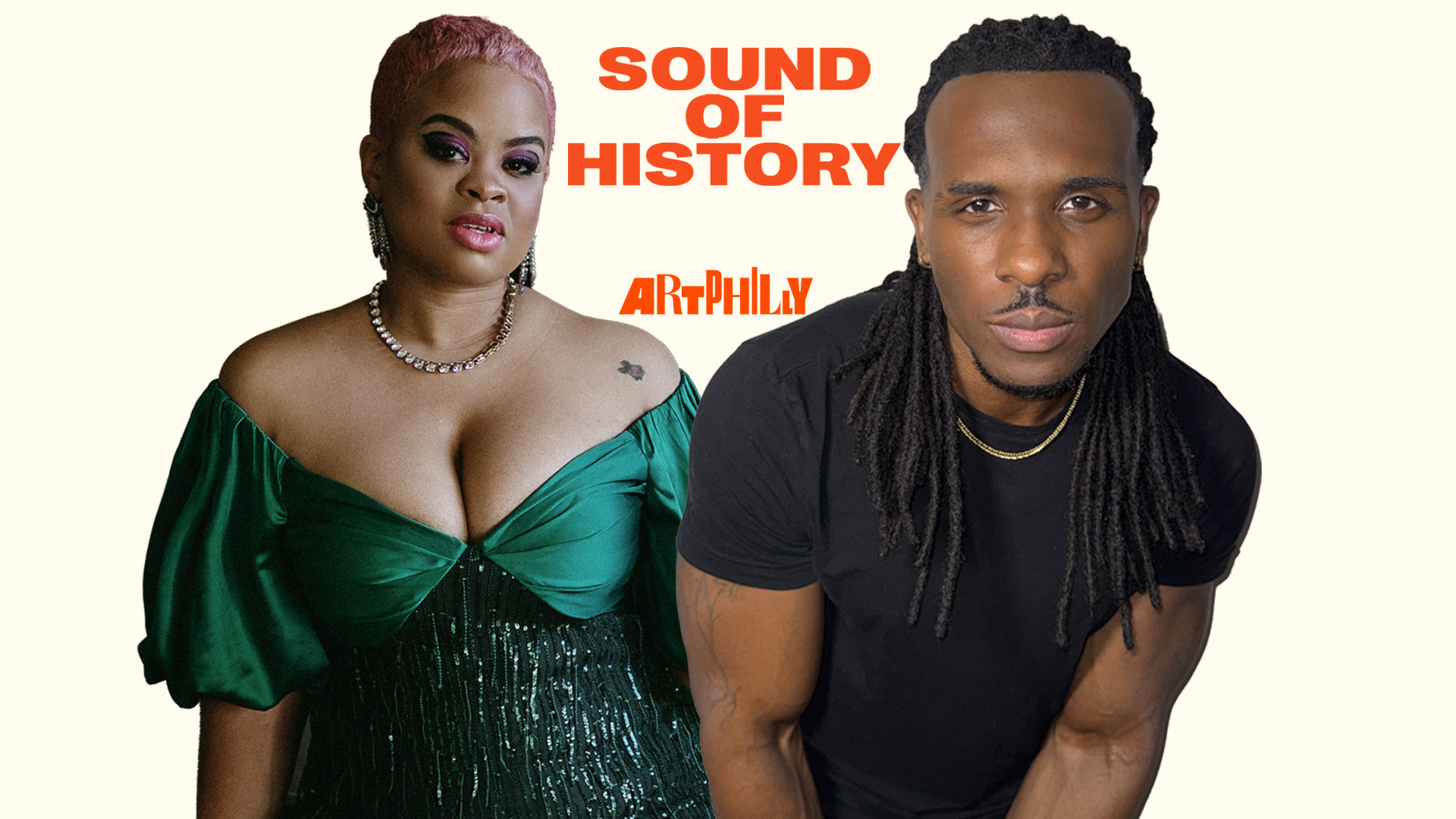
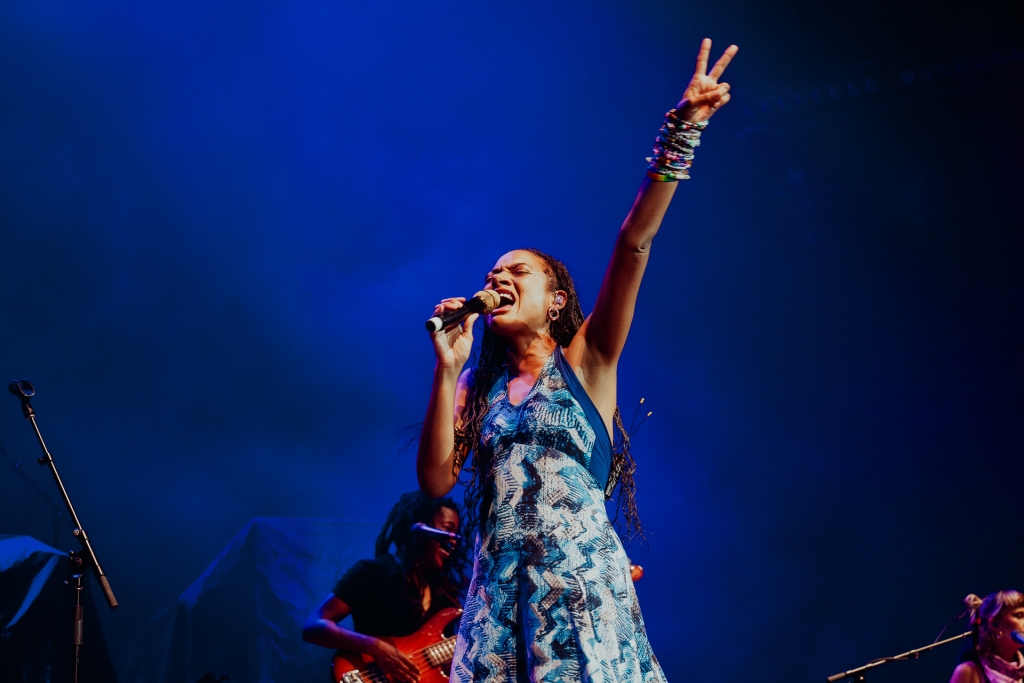
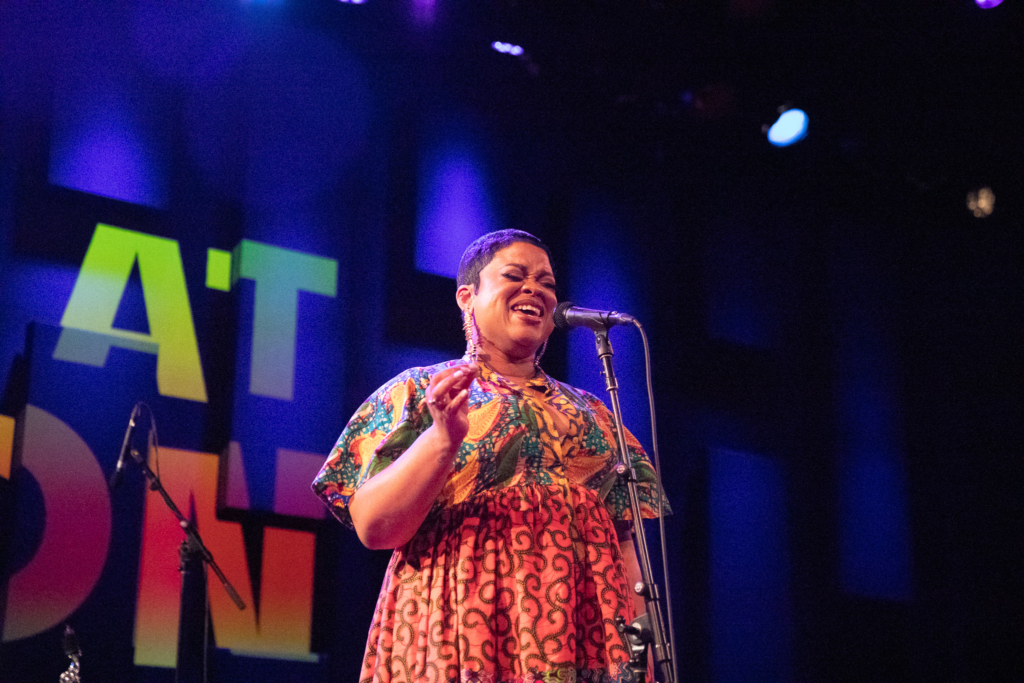
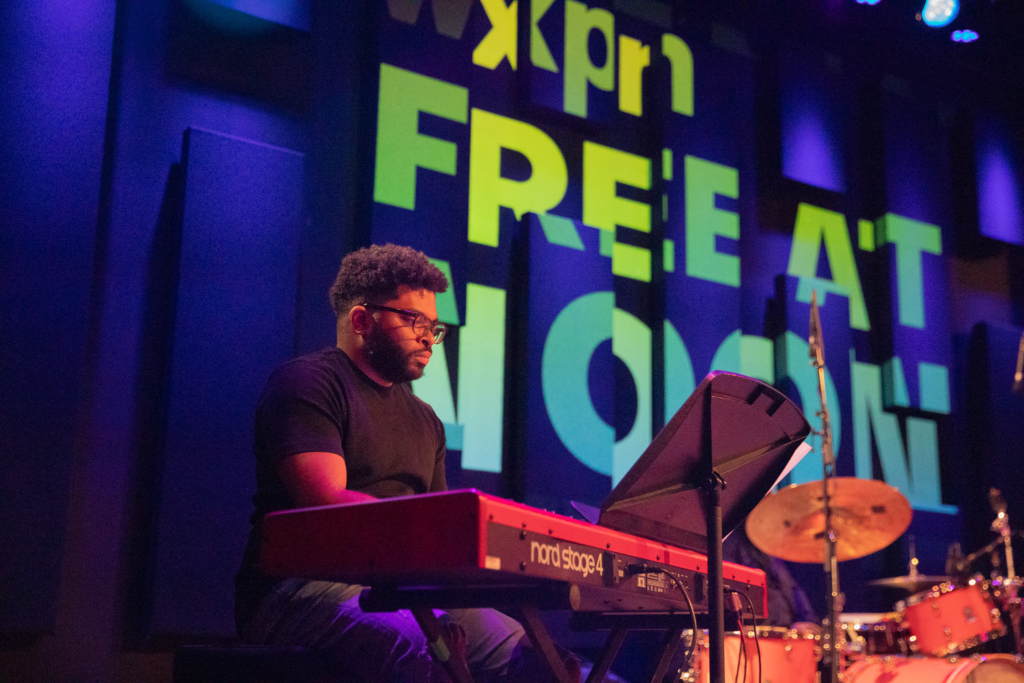
WXPN on Juneteenth hosted local musicians and past Black Music City grantees Laurin Talese and Zeek Burse for Free At Noon, where they performed original music created after months-long residencies at the Museum of the American Revolution here in Philadelphia for the Sound of History project as part of the What Now: 2026 citywide arts festival in celebration of its 250th anniversary. Their performance were part of WXPN’s support for the semiquincentennial, which aims to provide the Soundtrack to America’s 250th.
Burse and Talese are scheduled to perform their pieces at the museum Friday. Unfortunately the event is sold out. Fortunately, they will also perform their pieces at 6 p.m. on June 25 at Awbury Arboretum. Register to attend the June 25 free performance here.
For the Free At Noon performance, both Burse and Talese performed three songs each: two from the project and one previously released song.
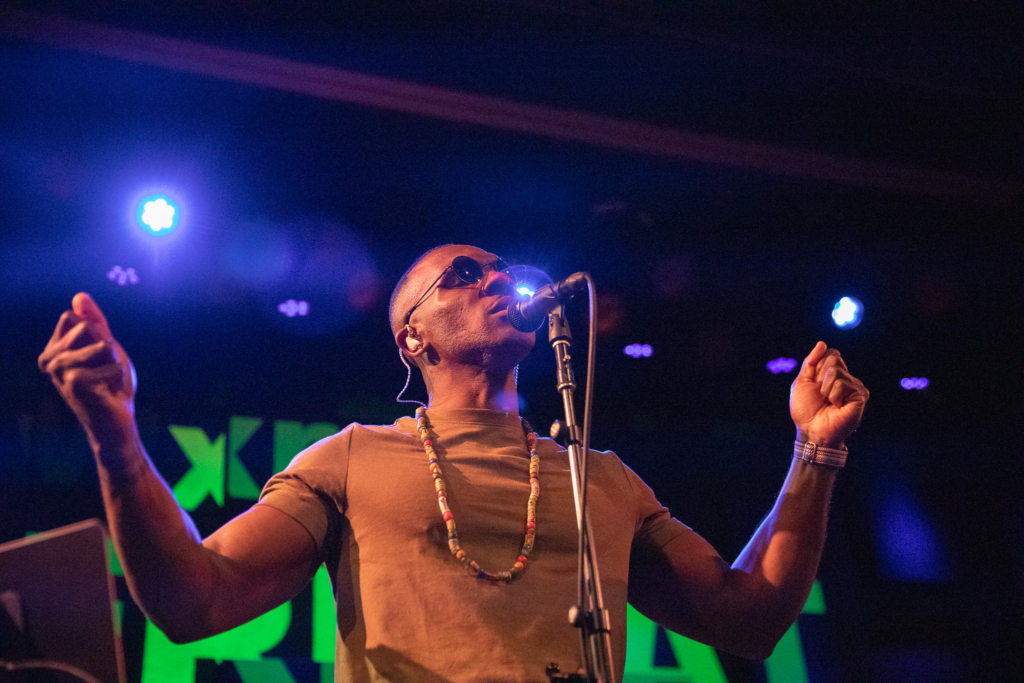
Burse went on first solo, accompanied by backing tracks on his three songs. The first was “Common Sense,” which he said was inspired by Thomas Paine’s pamphlet of the same name that advocated for the colonies to become independent from England. The track is a head bobber for sure and features Burse delivering powerful falsetto vocal phrases over the beat and piano.
He said in his mind, the revolution is ongoing in the nation and characterized it as a continuum.
“Liberty Further Extended” was his second song, and this particular piece saw Burse singing about the hipocrisy of revoluationaries seekinf freedom still owning slaves over a heavier hip-hop beat. The song was inspired by an essay from Lemuel Haynes, the first Black man to become an ordained minister in the nation.
Haynes’ unpublished essay was stored at Harvard University for about two centuries, Burse said, before being published in the 1980s.
In the song, Burse asks “what is freedom” and wonders if it has ever been truly achieved in the United States.
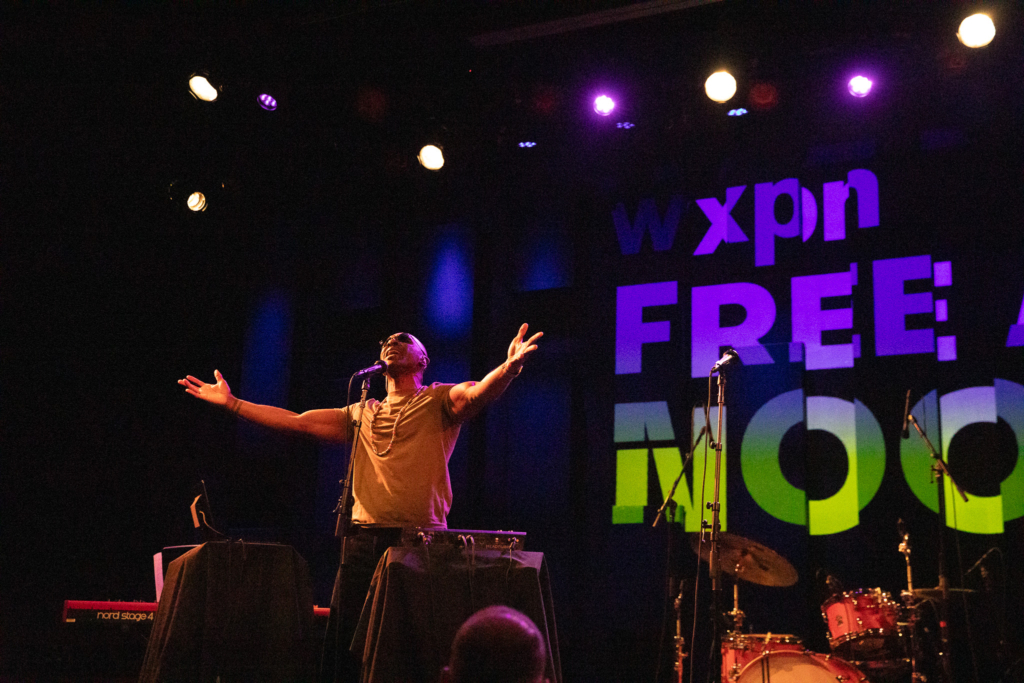
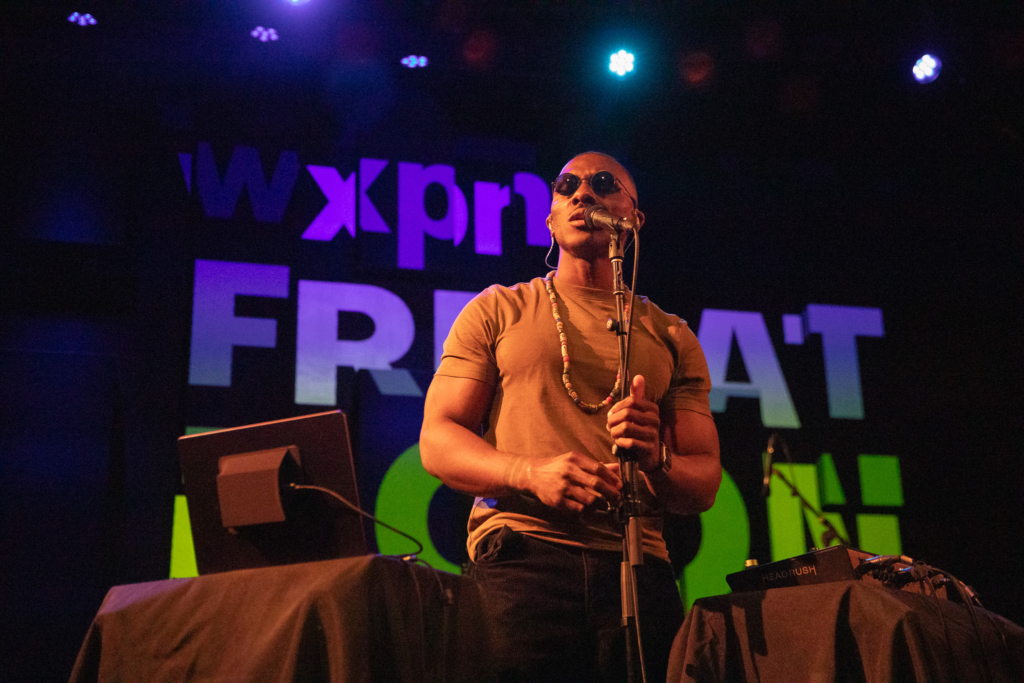
He closed his set out with “One People” from his 2017 album XXII. While the song is not part of the Sound of History project, Burse said he often revisits it when “we lose the idea of what I call America.”
At the end, he had the crowd singing along with the refrain of “we are one people, we can change the world.”
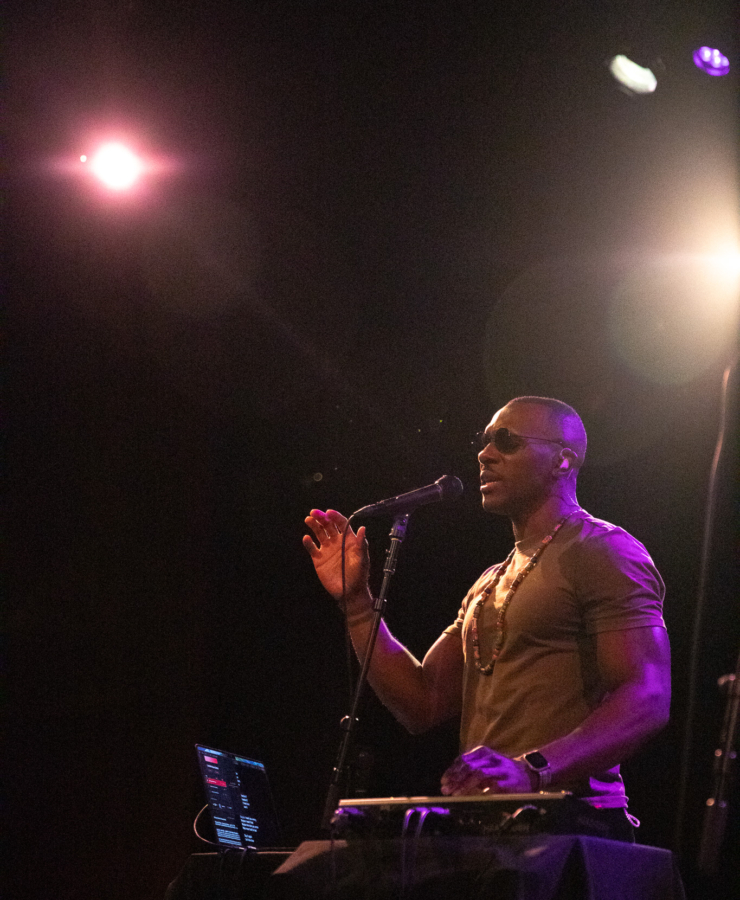
Talese opened with “Forgive & Forget” from 2015 and was accompanied only by Mike King on piano for the song. Before launching into it, she said the song is inspired by her curiosity of why people do what they do.
She then went into her pieces for Sound of History, first with “Powder Boy.”
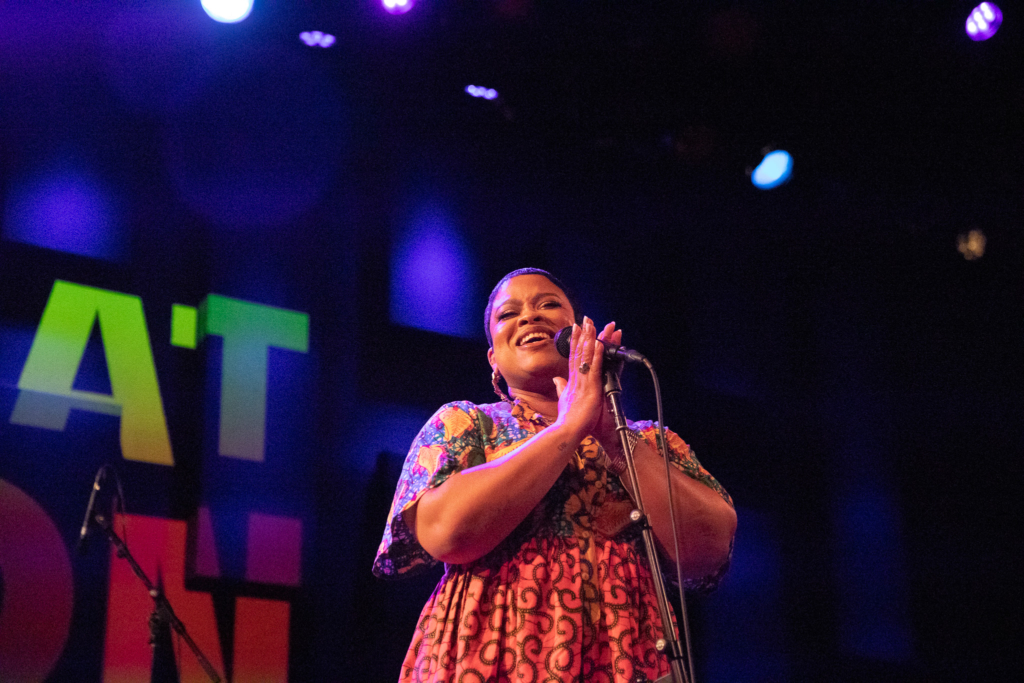
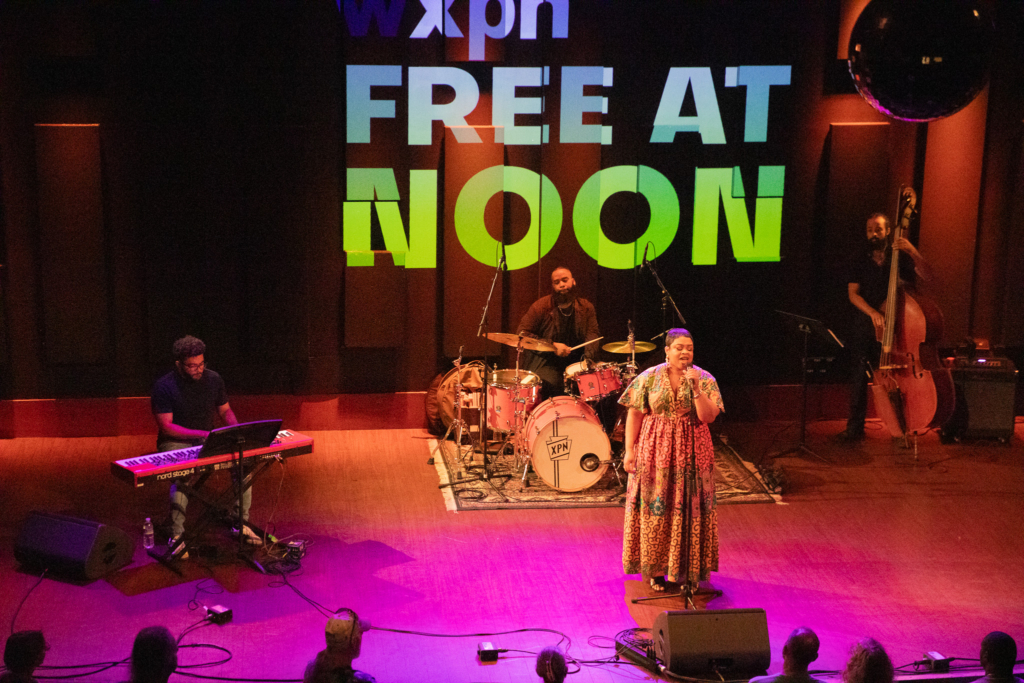
The song is about James Forten — who was a powder boy on a naval vessel during the revolution and became one of the wealthiest men in Philadelphia post revolution and used his influence to push for abolition — and is a conversation between him and a modern character.
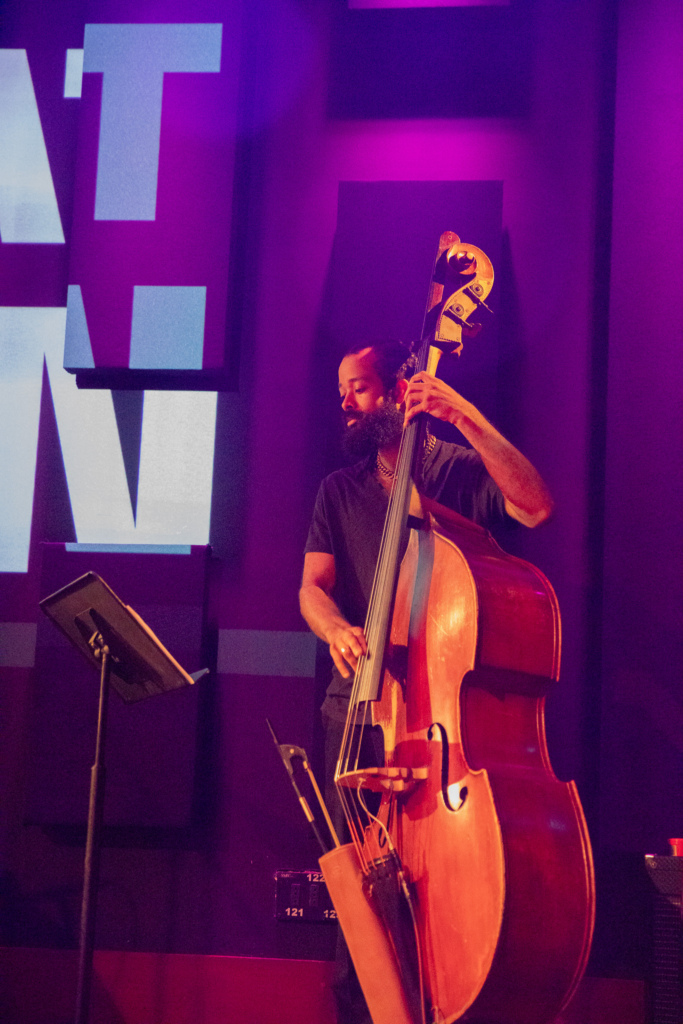
She was joined by bassist Jordan McBride, and drummer Nazir Ebo on the song, which she said was influenced by Octavia Butler’s Afrofuturism writings.
Her final song was “Look.” The song is inspired by Elizabeth Freeman, the first person to sue for their own freedom and win, as well as Taarab tradition in Tanazania and Zanzibar.
This song leans heavier into Talese’s jazz side, with a groovier beat and a warm electric piano tone.
Talese and Burse spent hours poring over documents, artifacts, and more at the museum to glean inspiration for their compositions, which will debut at the event at the museum.
Every Tuesday and Thursday at the museum, the two immersed themselves in the history. Their residencies began in November and gave them unprecedented and unlimited access to the museum’s collection through February. Director of Education and Community Engagement Adrienne Whaley told Burse and Talese to take their time in absorbing the museum’s extensive contents.
“They were able to go into our collections workroom and into our collection storage spaces with our curators to learn about the different materials in our collection and think about how those help us understand the stories of the everyday lives and the unusual experiences that the revolution brought to people in the 18th century,” Whaley said.
”You have to spend time with it,” Burse said of all the esoterica housed in the museum. ”[Whaley] was encouraging us to not be so quick to pick something, just soak in all the knowledge and be more like a sponge. And that was really, really helpful for me so that I didn’t become fixated on one thing.”
For his compositions, Burse focused on the written word.
He named Martin Luther King Jr. ‘s letter from Birmingham jail, John and Abigail Adams’ correspondence, and the documentation of slaves who fought for the Continental Army as some of the most influential pieces in composing his work.
”At the beginning when we were screaming ‘freedom, we want our freedom,’ we still had slaves,” he said. “These are different things that show us or highlight how things were in those times.”
The daily lives of colonial Philadelphians piqued Talese’s interest.
“ I wanted to understand the psyche a little bit,” she said of the average Philadelphian in the revolutionary era. She spoke about the London Coffee House, where locals would go for coffee and to hear the latest political news. “Maybe they’d get a scroll from Boston and, and read the news aloud and, political adversaries would have terse discussions and dissent among each other about what was happening.”
At the same time, slaves would be shipped into Old City’s wharfs.
“I thought about that because right now as a Black woman in Philadelphia I have the luxury of whimsy in my life,” she said. “I’ve been on so many boats. I’ve been to so many places and sailed for luxury. So I want to draw the parallel between what is now and what was, and what’s the same.”
Another facet of that era she explores in her piece is the dignity and agency that enslaved people maintained and what existed for them to keep going.
“How were they feeling about this? How did they navigate life, especially in a place like Philadelphia?”
Burse’s composition, which he described as “archival,” is a 20-minute sonic representation of the historical artifacts and documents he focused on. The final piece of the project is a letter Burse wrote to his future self.
“I’m now also putting myself within a line of people that wrote things or said things, or in this case sang things, that we hope can be more progressive and inclusive.”
Talese said piece is “less literal” than Burse’s.
“I took the complete opposite approach in using historical dates and facts with present day reality and my experience navigating the world as a Black woman in this current time,” she said.
She hopes her piece lives beyond the scheduled performances, too.
“I think that too often these sorts of collaborations are relegated within the walls of a museum,” she said. “I wanted the message and the intention to be enjoyed far beyond June 19 and June 25, outside of the museum.”
Black Music City is a collaboration between WXPN, WRTI, and RECPhilly. The What Now: 2026 festival is a series of events, showcases, and more spotlighting the work of dozens of Philadelphia artists hosted by ArtPhilly.
Related Content
View All