
“Killing Me Softly”: Anatomy Of A Classic Cover
How a simple folk tune wound its way through folk, pop, R&B and hip-hop to become an all time classic
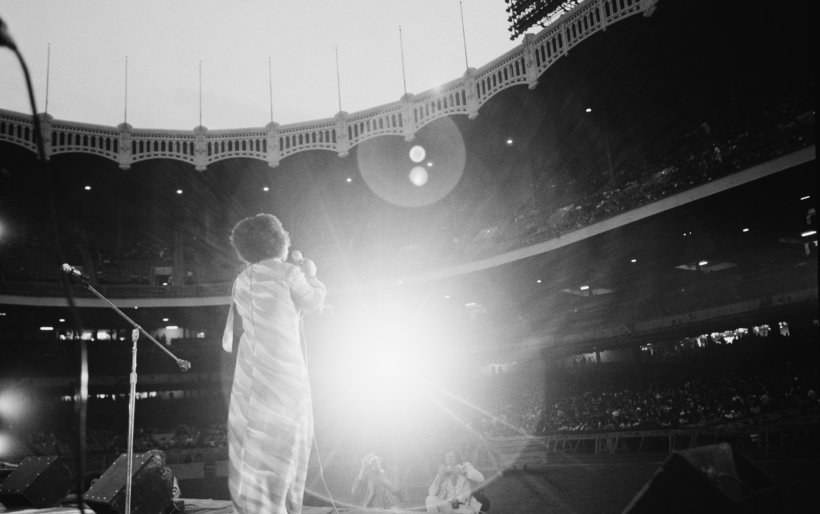
“Yo L-Boog take me to the bridge,” Wyclef Jeans raps on the Fugees classic “Killing Me Softly With His Song.” Instantly, Lauryn Hill takes us there, then takes us higher. For a few fleeting seconds, the already sparse instrumental cuts out and Hill lets it rip, belting “woah-woah-oah-ah-ah-ah.” It’s an ephemeral, euphoric musical moment; the sound of a star being born. This song wasn’t just a true breakout, it was a sonic explosion that propelled a precocious twenty-one year old from New Jersey into the spotlight, soon becoming one of the music industry’s most beloved and famously misunderstood stars.
As with all the greatest covers, Hill infused the song with such power that many fans are likely unaware of its rich musical history. Inspired by one of her idols, the legendary Roberta Flack, the cover is a kind of bridge between two generations of rhythm and blues. It’s a five minute portal, a link between the jazz-inspired era of ‘70s soul and the hip-hop heavy breakthrough of ’90s neo-soul. Yet the true origins of the track originate from the most unlikely of origins.
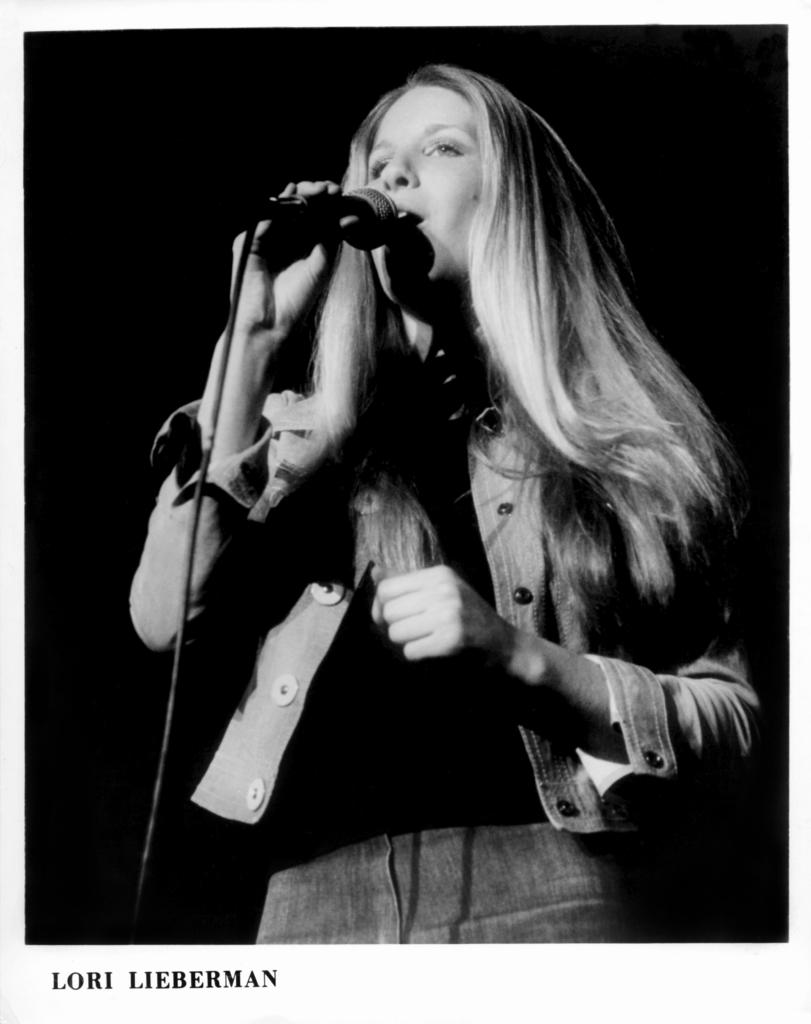
Yes, the genesis of one of R&B’s most enduring hits stems in part from Don McClean. Lori Lieberman, a young singer-songwriter, was reluctantly attending a McClean concert at L.A.’s Troubadour. The performance, particularly his song “Empty Chairs,” instantly inspired her. “I just felt like the whole room disappeared and it was just me feeling as vulnerable as I possibly could,” she reflected in a recent interview on Digging the Talks. Writing on her napkin, Lieberman began writing a poem. Afterwards, she began discussing the words with her collaborator, lyricist Norman Gimbel, who suggested marrying her words to a line he had found in the Argentina writer Julio Florencio Cortázar’ 1963 novel Hopscotch. The phrase: “Killing us softly with some blues.” From there, Gimbel fleshed out the lyrics, Charles Fox composed the music, and Lieberman recorded the track. Over the ensuing decades, the male collaborators twisted and revised their take on the song’s origins, belittling Lieberman’s work. Yet despite their best efforts, the anthemic, cathartic power of the song grew in unimaginable ways.
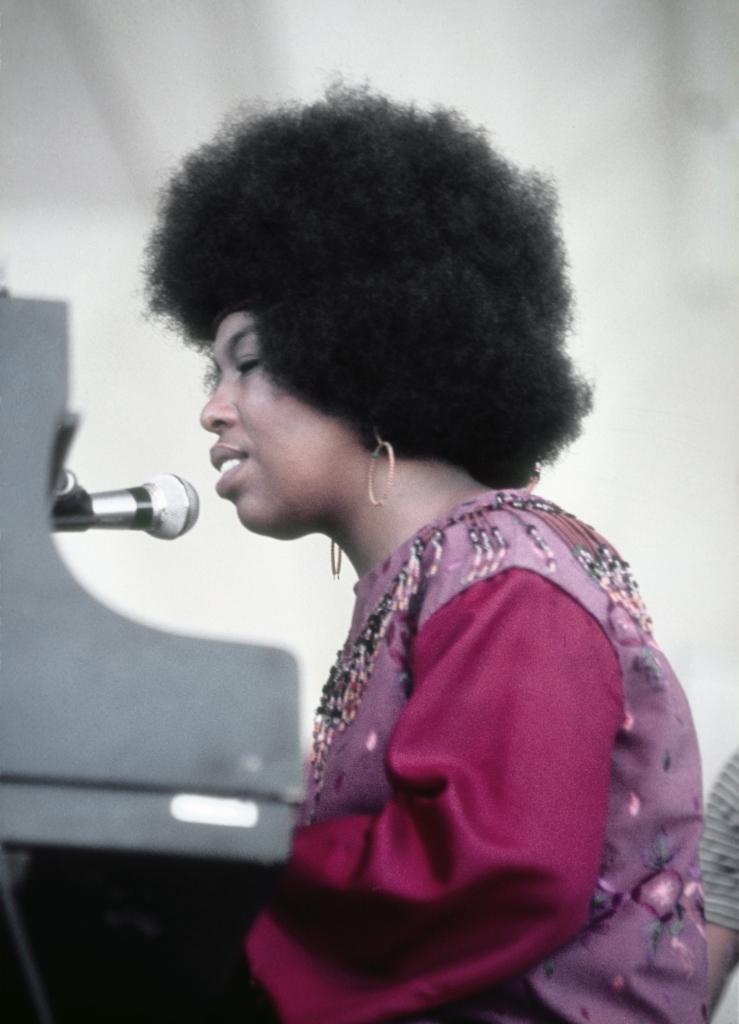
Shortly after its release in 1972, Roberta Flack first heard Lieberman’s song on an airplane and instantly became fascinated, replaying the song over and over. The setting couldn’t have been more appropriate, as Flack would soon record her own version, soaring to number one and taking the original track to new heights. Much like the bold and brilliant bebop pioneers who turned showtunes into seminal standards, Flack altered and deepened the song’s musical shape with new chords. That jazz influence runs deep in her work and life: Legendary bassist Ron Carter played on her version, which Quincy Jones encouraged her to record after she performed it as an encore to a rapturous response on tour. Listen closer and you’ll hear another familiar voice: Donny Hathaway, her frequent duet partner, adds background vocals, further deepening the track’s haunting emotional core. Look even further into the credits and you’ll find that local legend Joel Dorn, born in Yeadon and raised in Philadelphia, produced the track. Lieberman felt some initial trepidation when she heard Flack planned to release a cover just as her original was beginning to garner success but hearing the version left her deeply moved. Flack “made it what I couldn’t have,” she reflected. “She just turned it into this worldwide hit and for me, you know, it was just a pretty simple folk song.”
Few music fans (in fact, no one) would have predicted that Lieberman’s “simple folk song” would reach and transform a trio of aspiring rappers from South Orange, New Jersey. In 1993, the Fugees — consisting of Hill, Wyclef Jean, and Pras Michel — had signed to Ruffhouse Records, the Philadelphia record label led by producer Joe Nicolo and Chris Schwartz. The group found underground recognition with their debut Blunted on Reality, but their follow up and its unexpected lead single pushed the MCs into the stratosphere. While crafting the smash 1996 record The Score, Pras suggested the group cover Flack’s classic track but revise the lyrics to highlight issues of drugs and poverty. In a 2016 Pitchfork interview, Flack herself noted Gimbel and Fox, the original songwriters, “wanted their song to not be changed.” Yet Flack, a newfound Fugees fan after hearing the cover, recognized the group’s political power. “They gave the song a new meaning and exposed it to a new generation,” she reflected. “They invented a new version of the song, using some musical ideas from my version. I was surprised they picked that song to be included with the others on that album, as it didn’t have the political emphasis, but then again it depends on the frame of reference from which you listen, right?”
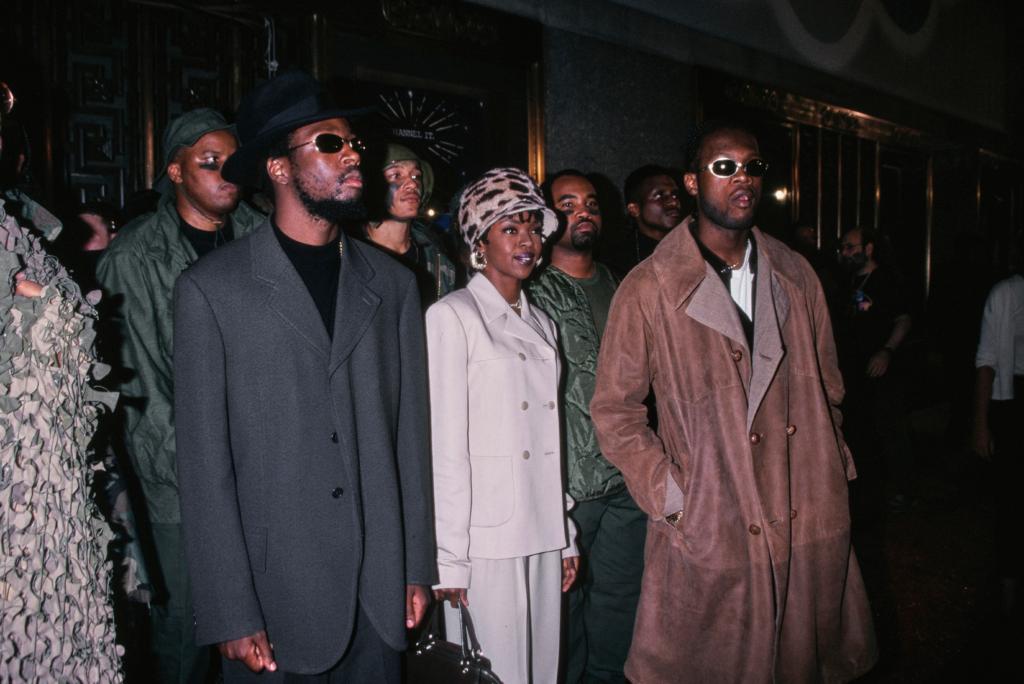
The result was a cover (of a cover) that feels both worlds away and spiritually linked to the previous versions. For the instrumental, Jean and Pras took inspiration from A Tribe Called Quest’s “Bonita Applebaum,” re-sampling the catchy sitar from Memory Band’s “Rotary Connection” and the driving drumbeat from Little Feat’s “Fool Yourself.” The deceptively simple final track is perfect: There’s those crunchy boom-bap drums, the pulsing bass-line, and some ad-libs (“one time, two times”) that almost transport you into the studio. Yet Pras and Jean were wise to mostly stay out of Hill’s way. Ultimately, the singer didn’t need to change a word to make the song entirely her own; her voice does it all. Hill’s astonishing power as a singer doesn’t stem from crazy runs. It’s all in her tone: melancholy, haunting, world-weary, and inspired by all her favorite soul singers (Stevie, Nina, Roberta). The song’s transformation was astonishing, from meditative folk ballad to something danceable, funky, totally contemporary and timelessly soulful. Even more inconceivable: Hill was just 20 when she released the song, the same age as Lieberman in 1971.
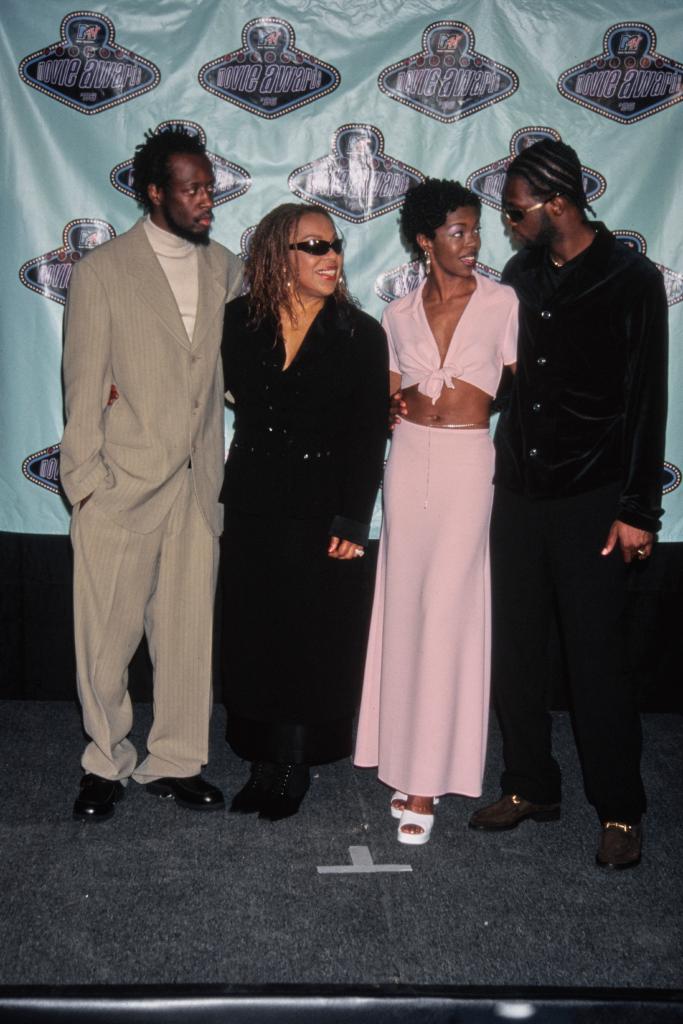
Hill’s rendition wasn’t just a hit; it became a triple-platinum sensation and lives on as a R&B standard. In the wake of the song’s release, her career would quickly become far more massive and complicated than any one would have expected. The Miseducation of Lauryn Hill, her 1998 solo album, lifted her even further to record-breaking commercial success, a plethora of Grammy wins, and “greatest album of all time” conversations. In the years since, Hill has toured extensively but a follow-up studio album remains elusive. A recent Fugees reunion tour was scheduled for 2024 but then abruptly canceled; with the recent announcement of Pras’ jail sentence for illegal financial troubles, further reunions seem increasingly unlikely.
Despite it all, there have been Fugees reunions in recent years, including a 2023 headlining performance at the Roots Picnic. Afterwards, Hill stopped by World Cafe Live for an afterparty, where she reflected on her love for Philly musicians. You can (and should) watch the footage online. Her deeply moving tribute quickly turns into an epic singalong moment, like a climactic scene from an unmade biopic. When Hill starts singing “Killing Me Softly,” the band joins in, the cheers erupt, and the room levitates. The setting and space couldn’t be further from Don McClean at the Troubador, but the soul of the song stretches on, infinite and undying.