
Where’s The Balance? Following And Enjoying New Music In 2026
New music is more available than ever, so how do you balance keeping up with regular releases while still enjoying the listening experience?
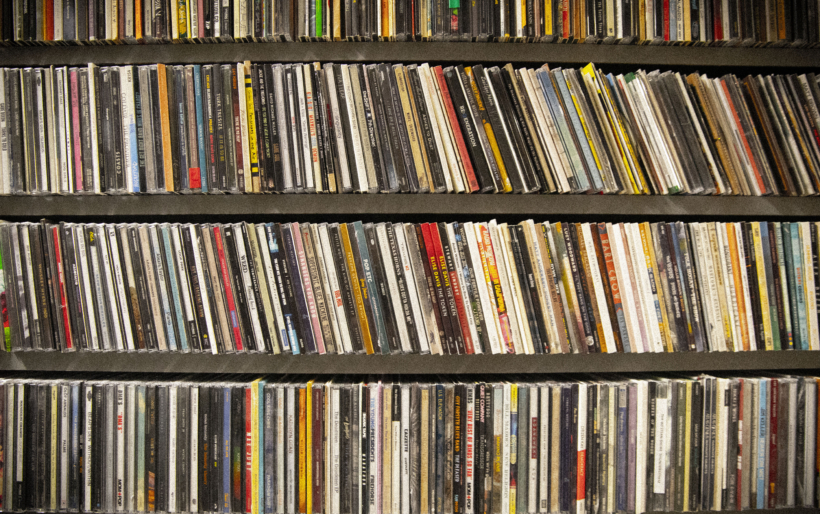
New music has become accessible to everyone through the internet and music streaming, but at the same time, this can lead to an overwhelming list of releases to check out. The experience isn’t over after the first listen either — a personal connection with a body of work takes multiple listens in different settings to really sink in. So where is the balance between following and enjoying new music?
Listening to new music is easier than ever thanks to on-demand streaming. Spotify’s New Music Friday playlist updates each week with the singles that labels want you to hear, while Apple Music boasts a New Music Daily playlist, that includes the freshest singles as they drop during the week, without completely refreshing until Friday.
Bandcamp displays the New and Notable projects that are recommended by their editorial team, appealing to listeners who prefer their recommendations algorithm-free (we see you and appreciate you).
On average, about five big-time albums drop each month, with a lull around the new year and a few booms throughout the year.
It gets simultaneously more exciting and more daunting with something to check out each week, but a large gap in effort exists between scrolling the playlists for new singles and having multiple projects in mind before Friday hits. This level of attention seems dangerous, since becoming overwhelmed and burnt out is almost inevitable.
Having too much new music to listen to is a personal problem — not to mention an extreme first-world issue — but it is troubling when a goal originally formed from enjoyment begins to result in a frequently lesser connection to music than before. With multiple singles and albums out each week, finding the time to hear all of these albums while still continuing to explore the releases from prior weeks proves tricky.
Connections with music usually develop over time, and a single listen to an album is rarely enough to form a lasting opinion of it. Excessive new music discovery has trade-offs; the excitement of hearing an intriguing album for the first time is prioritized over realizing the nuances of said intriguing albums with multiple listens.
It could be argued that there is no point in listening to lots of new music when it will just be pushed aside within a week to make time for the next onslaught of releases. A never-ending to-do list nearly guarantees eventual burnout as well, so is keeping up with new music on a large scale just a doomed mindset to begin with?
WXPN’s host and music director Dan Reed shared his thoughts on following new music over the years, and how his role at the station affects his listening habits. He mainly indulges in new releases “at home on the weekends and on the train daily,” not actually during his time at work.
As the music director, Reed delegates new releases to DJs at the station in hopes that they will find the songs fitting for their shows. He claimed that this position is a large driver for following new releases. However, he shared a similar feeling of dissatisfaction when asked about his overall new music intake. “I’m never really satisfied — there’s just so much to listen to,” Reed said.
In a similar, yet smaller-scale and self-driven lane, Dominick Baglivo also weighed in with his experience following new music for the online publication BLIGATORY, as well as his former role of music director at Drexel University’s WKDU, where he now airs Partly Cloudy — a weekly show completely comprised of new music.
“I’m probably more on the end of dissatisfied,” he said, regarding his current ability to keep up with new releases. “It was definitely easier to keep up with music when I was in college,” although his music director job required more listening on behalf of other DJs, and less “listening for him.”
For Baglivo, new albums mostly get one or two listens when they release, with a few albums becoming frequently-played favs. Each week provides him with three to six new projects to check out.
“Most of the time I get to all of them… some of them have to get postponed (on a busy week).”
Before streaming, listeners were forced to dwell on an album for a lot longer than they are now, since each project was a bigger commitment money-wise, and the entirety of recorded music history was not accessible for under $20 per month.
Reed found keeping up with new music easier before streaming; “the volume wasn’t nearly as intense.” Music streaming has reversed the issues of days gone by, leaving listeners with too much music for their money instead of having to shell out $10 to $30 for one new album.
When asked if he felt that a larger pool of new releases led to a lesser connection with albums, Baglivo was somewhat split. “If an album truly resonates with me, it’s gonna resonate with me no matter what.”
Many articles have looked at why people seek out less music as they age (including this 2024 article from Roni Birchak), and regardless of genre or experimentation of the music, it is hard to achieve the same amazement that your first favorite albums brought at a younger age. Interests come and go naturally as well, and while it could feel counterproductive to pay less attention to new music for a bit, it may help regenerate the spark for discovery by seeking out older releases — just don’t get overwhelmed by that massive rabbit hole.
There will never be time to actually hear everything. Maybe in a given week, completing a list of albums and forming opinions on them is achievable, but to feel fully satisfied while growing your index of artists is an impossible challenge long-term.
Some albums will slip through the cracks initially, but the return to an underappreciated album can sometimes be more exciting or insightful than a first listen.
Regarding music streaming, the power is in the user’s hands to make the most of the ludicrous deal we are getting. Assess your time and set reasonable goals for the amount of new music each week, and if a few albums never reach your ears, maybe that’s how it was meant to be. It will (almost) always be there for later.
Music is here for enjoyment and expression, so don’t let it become a chore. Enjoy what you can, make it your job if you want to. Relish those mind-blowing first listens, but don’t force them. Take it in one album at a time.